Who’s Really Paying the Agent’s Commission?

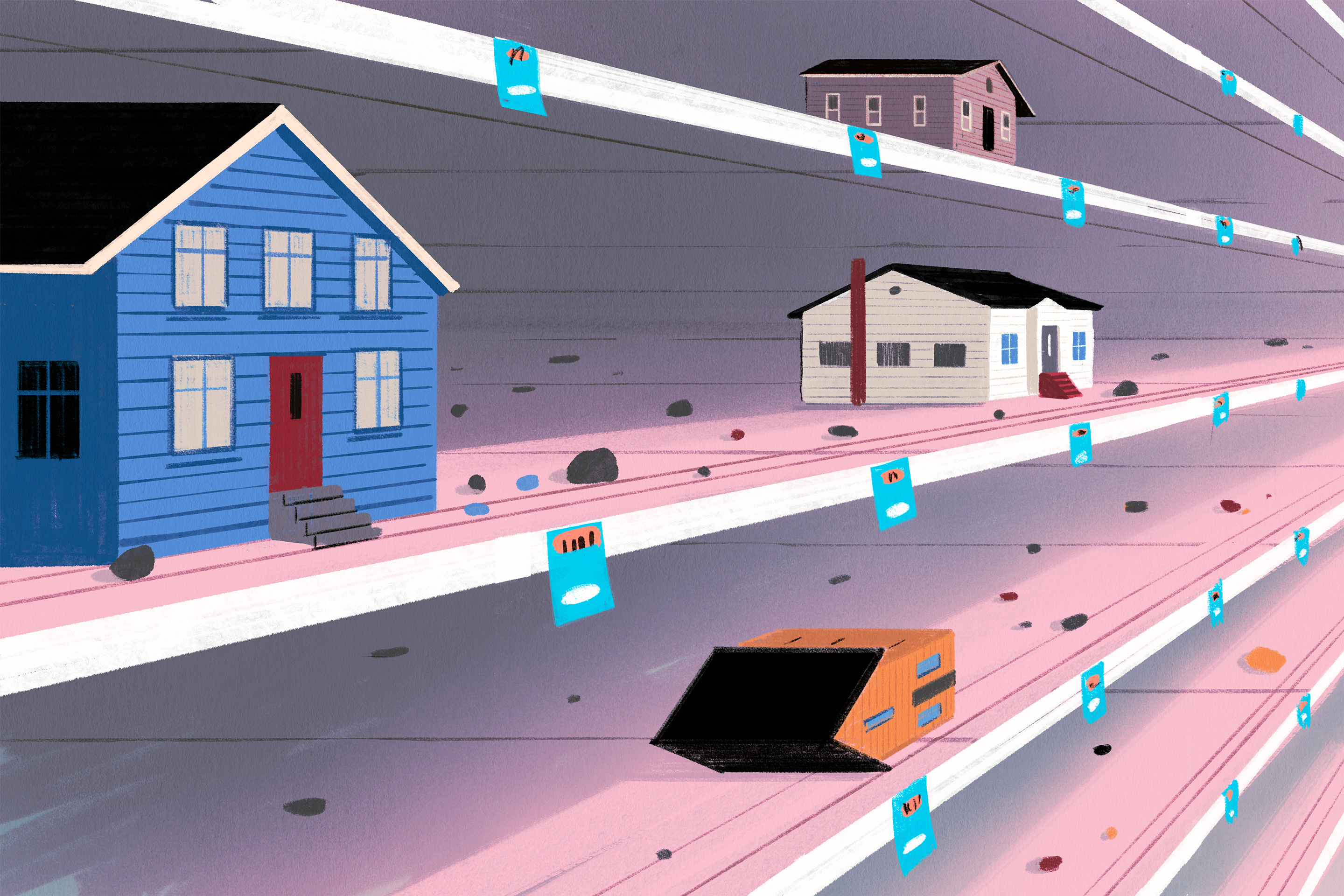
There’s been a lot in the news about NAR, changes in the way real estate sales will be handled in the coming years and in particular, the fees and commissions paid to agents representing buyers.  With several court decisions pending, it’s without doubt that changes are coming.  The plaintiff’s argument goes that sellers have been paying too much by being forced to pay the buyer’s agent and that buyers are really paying for it in the form of a higher price but they aren’t afforded the opportunity to negotiate that fee with their agent since the seller and their broker set the fee.   Meanwhile, there’s the question of, “How can an agent/fiduciary represent someone who isn’t responsible for your fee?”

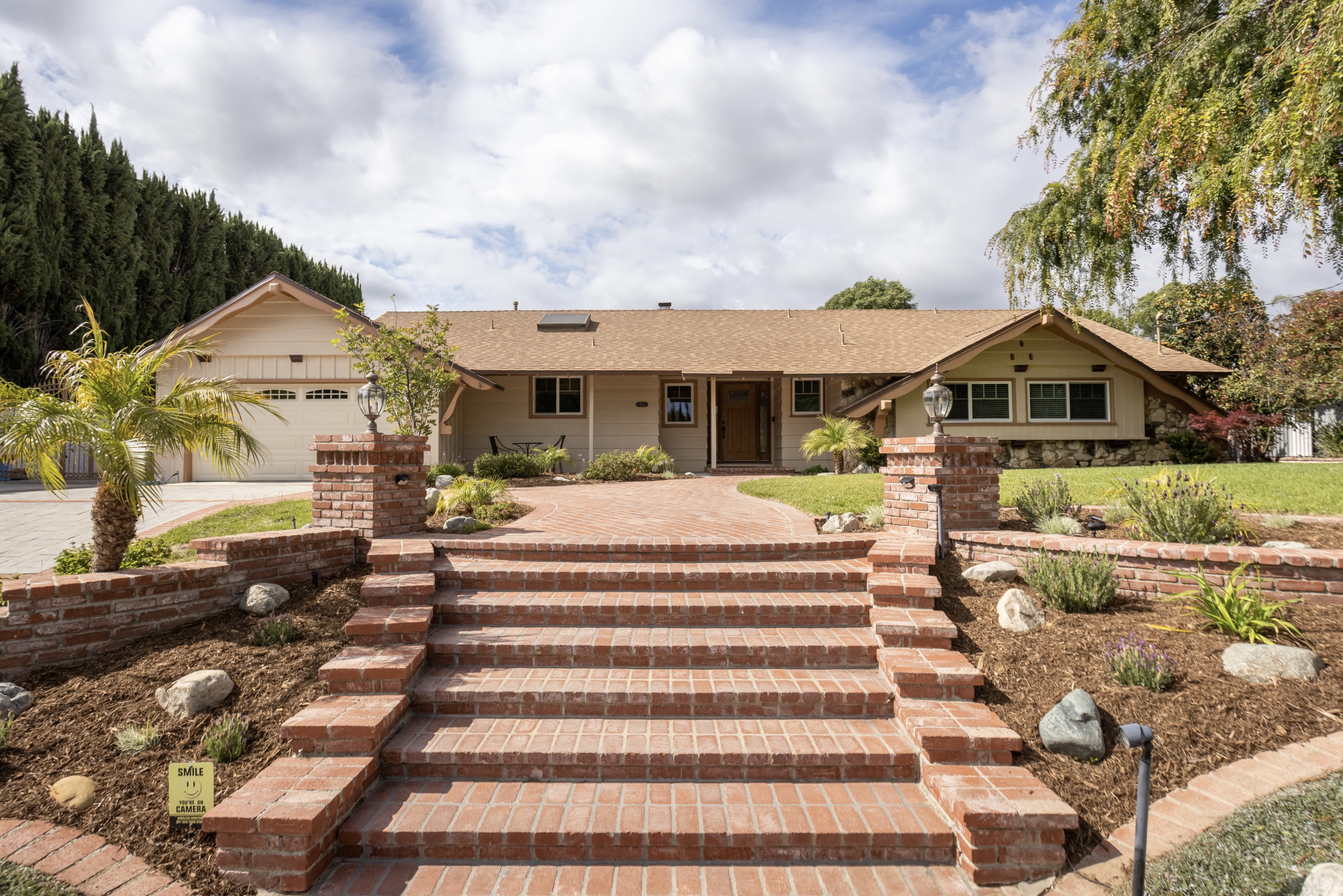
31535 Lindero Canyon Rd #11 – For Sale or Lease!

While you can argue that by virtue of paying both sides of the commission fee, sellers are paying too much, the reality is that the sellers benefit by paying the agent who has the qualified buyer.  This is because by incentivizing that agent to show the seller’s home, the seller increases the likelihood of competition which leads to the highest possible price.  How can you fault a seller for wanting to ensure their home gets maximum exposure?  Moreover, most sellers were at one time the buyer of the property and they got the benefit of having the seller pay their agent’s commission when they bought the home; so, it’s not like it’s all just seller cost because they didn’t pay going in. 

As for the fiduciary argument, this admittedly could be murky if it weren’t so common that buyer’s representatives never really consider the issue as to who is actually paying them.  They are loyal to their client. 

As for the argument that buyers don’t have the choice of how much to pay their representative since it’s built into the seller’s cost structure, I’d suggest that the buyers don’t want to have to pay the fee at all.  But wait, you say, they are paying by virtue of a higher price!  Not necessarily and not necessarily in full.  In other words, consider a for sale by owner.  A FSBO seller almost always figures the money they save on commissions is theirs, not the buyer’s since they are the ones paying for it.  So even in a situation where the buyer represents themselves, they don’t get the full amount because the seller sees the commission savings as their money, not the buyer’s.

If you are a watcher of real estate and you want to peek into the window of where this will all lead, look no further than Fannie, Freddie, FHA and VA.  Once the government backed lenders authorize commissions to be added to the sales price and financed, then and only then will the system be set up to have the buyer pay their representative’s fee.  Until that happens, a selling agent fee will be paid by the seller as has always been done because buyers won’t have the money to pay, while also coming up with the down payment and closing costs.  If the buyer also has to pay the commission, the already monumental affordability problem gets exacerbated.  Not to mention the seller is going to want to incentivize agents to sell their property, maybe get multiple offers and thus command the highest possible selling price.  And to that point you could argue that the current structure benefits sellers by getting them the highest sales price, and also benefits buyers by reducing barriers to home ownership by reducing the upfront cost which in turn opens the door to the greatest wealth builder this country has to offer, owning real estate. 

Posted in Real Estate | Tagged , , , , , , , , , , , , , , , , , , , , | 2 Comments

Southern California Real Estate Market Update for August 2023 and The Myth of Goldilocks

GAV08941

31753 Kentfield Ct – For Sale!

2023 has been a very interesting year for real estate so far.  The first quarter was my slowest quarter on record.  I closed two deals, one of which I sold in December.  The second quarter was as hot as ever and I closed 11.  Yet here I am in August and the market has slowed again.  This is the myth of Goldilocks in plain view.  The fairy tale is that somewhere there is a real estate market that is just right.  As a real estate professional for more than 30 years I can tell you unequivocally that the real estate market is either too hot or too cold. There is no just right.  We’re always losing our mind because it’s either too busy or too slow.

So has something changed or is it pure seasonality?  When we saw interest rates more than double last fall, the market softened.  But by January buyers had become acclimated to the higher rates and when rates dropped back into the mid-upper 6% range the spring market took off.   Every year Super Bowl Sunday marks the kickoff, pardon the pun, of the selling season (Find out what your home is worth here). This year was no different and the market went on a tear from early February into mid-May.  If you want to map out the typical real estate calendar, mark February to mid-May as the hottest part of the year.  Now it’s not unusual for it to be slow in August.  In fact, August is always the slowest month of the year.  This has been exacerbated by changes in the school year which now starts in early August rather than right before or right after Labor Day like it did when I was a kid.  This even makes July a slow month as well as August.  The question everyone’s asking is however, does this seasonal slowness explain the current market condition or are there other factors in play?

763 Camino Dos Rios - For Sale!

763 Camino Dos Rios – For Sale!

There is little doubt that when interest rates hit 7% it’s like somebody turns off the spigot.  This has happened already several times since the Federal Reserve started raising rates in spring of 2022.  There’s been a lot written about new construction having a renaissance since new construction provides much needed inventory.  But there is very little new construction in greater Los Angeles.  Therefore, there is little catalyst for people to list and sell their home especially in light of they’re having a mortgage with a sub 4% interest rate.  Low inventory remains a serious problem and a huge tourniquet on the market (Find listings here). However, I am of the opinion that there’s something else at play here and that is labor unrest. 

Lindero10

31535 Lindero Canyon Rd #11 – For Sale or Lease!

The number one industry in Southern California is the entertainment industry.  The market began slowing by mid-May not uncommon, but it began slowing with more vigor than normal.  Why?  Allow me to suggest that the writers going on strike May 2nd had something to do with it.  But, the market really began to crawl in July.  I’ve already stated that school starting early impacts July, but don’t forget that the actors began their strike on July 19th.  Have you ever stayed till the end of the movie and looked at all the credits?  There are literally hundreds of names and none of those people are working.  But not only are the people directly involved in the production of the film not working, but all of the ancillary businesses that provide materials and services have seen their business come to a halt even though they aren’t on strike.  Consider for a moment the catering company for a movie, commercial or TV production.  The caterer’s truck is sitting idle.  The driver/chef is not working. The guy that provides the buns to the catering company is not providing them any buns.  The bakery that bakes the buns is not baking as many buns.  The guy that sells the sodas is not selling any sodas to the guy that in the catering truck.  Same for napkins and cups.  The gas station that regularly fills up the catering truck is not selling as much gas.  Then there’s the surrounding restaurants that are near the studios are idle as there’s no production nearby with hungry employees and the list goes on.  I think you get the idea here.  But that’s not all.

GAV02809

10600 Wheatland Ave – For Sale!

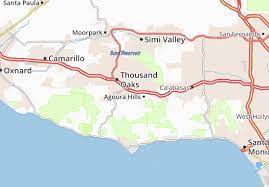
What’s the second largest industry in Los Angeles?  You guessed it, tourism. The hotel workers are on strike.  The hotel unions actually appealed to Taylor Swift, asking her to cancel her concerts At SOFI stadium as a sign of support for the hotel workers.  I believe it’s safe to say that labor unrest is an underlying reason for the real estate slowdown here in Southern California.  I personally had a buyer who worked on a comedy as the sound engineer just last month tell me that he’d have to put his real estate search on hold because he didn’t know when he would be going to work again.  Clearly the disruptions in our two largest industries are having an impact.  I currently have a listing in a Los Angeles neighborhood called Shadow Hills.  It’s an amazing half acre property, completely rebuilt to look like a Greene and Greene craftsman home from Pasadena.  It should have been sold two months ago. Had we listed in the spring it probably would have sold on multiple offers and yet here we are in August and it remains available.  This particular neighborhood is very popular with people working in the entertainment industry because it’s close to the studios and post production facilities in Burbank and North Hollywood.  It’s logically impacted by the writers and actors strike, yet I have other listings far west of them in Thousand Oaks and in Westlake Village that remain unsold as well.  These are not neighborhoods typically associated with the big name Hollywood types but they are for many of those behind the camera.  I think it goes to show just how far the reach and influence of the entertainment industry throughout the Southland and helps to explain the more than usual slowdown we are experiencing in the So Cal real estate market (which by the way makes it a better time to be a buyer – Contact Tim here.)  Unlike Goldilocks who finds a porridge and a bed that’s just right, we in the real estate community know a fairy tale when we hear one.

Posted in County Line, Demographics, Economics, Home Buying, Home Selling, Market Conditions, Real Estate, Seller Advice, Thousand Oaks, Tim Freund | Tagged , , , , , , , , , , , , | Leave a comment

Why are Prices Rising?

If you are a home buyer today, the real estate market can best be described as exasperating.  The inventory of available homes is at levels last seen in 2021 when home prices were rising exponentially fueled by a tail wind of sub 4% interest rates.   This begs the following questions:  Why is this still happening when rates have gone up?  Shouldn’t that have dried up demand?  Are all the buyers cash buyers?  Aren’t people leaving California and shouldn’t that be increasing the number of available homes for sale? How long will this go on or is this just seasonal real estate behavior?

IMG_5918

763 Camino Dos Rios – For Sale!

To answer these questions, we first must recognize that the Great Recession is largely responsible for today’s low inventory.  Remember, we built very few homes between 2008-2013.  This meant we needed to build twice as many homes from 2013-2018 to make up those lost years of next-to-zero single family home construction.  Not only did we not build twice as many, but we never even built as many as we did in 2006.  This has created a massive shortage of homes.  Perhaps you’re asking, “Weren’t there too many homes during the Great Recession and that’s why prices dropped?”  Yes and no.  The majority of foreclosed homes were at one time occupied, but the reason prices dropped as far as they did was more a lending issue than a supply and demand issue.  Many people walked away from homes they purchased with no money down.  As rates dropped, they couldn’t refinance because they were upside down (Find out what your home is worth here).  This caused many sellers to ask, “If I can’t refi to a lower rate, my home is worth less than what I paid and I have negative equity, why should I keep paying?”  So, people walked away from their home and the rest is history.

Mortgage-Few-Houses-In-MarketOK, we are in general short of housing units, but that’s not the only issue causing the low supply.  By now you’re undoubtedly aware that in an effort by the Federal Reserve to slow inflation, interest rates have more than doubled since early 2022.  This has had a number of unforeseen consequences.  Most significant is the effect on would be sellers.  With 70% of homeowners carrying mortgages with rates 4% or lower, many sellers are reluctant to part with those rates knowing that to sell means to pay a lot more for financing.  This makes selling and buying almost cost prohibitive so many would be sellers are not selling.   Not enough newly built homes plus fewer existing home sellers equals very low supply.

Another problem contributing to so few homes for sale is that homeowners who want to move, usually must sell first before they can buy.  And if there’s very little to buy, the fear is that “I’ll sell quickly and have nowhere to go.”  On this front, I actually have a great solution (Contact Tim here), but most people either aren’t aware of their options or just too afraid they won’t find anything to buy so they’re reluctant to sell.

GAV02809

10600 Wheatland Ave – For Sale!

There is a common misconception that the majority of buyers today are paying in cash.  This is patently false.  Cash buyers represent just 26% of all sales nationally.  There has however been a shift in who is buying in 2023.  Millennials represented the majority of 2022 home buyers at 42%, but the higher cost of financing is pinching affordability for those same Millennials today.  As such, Baby Boomers are once again the largest demographic of home buyers.  And while it is true that as a result of California’s net decline in population many sellers are moving out of state, the dearth of new construction over the past several decades means even with the move out of state, there’s still not enough sellers for the number of buyers even if there are fewer buyers.  Fewer listings coupled with fewer buyers equals stable to rising prices.

2023 saw the vibrant spring housing market come a little late, but it did come, and we saw prices rise as they usually do this time of year.  However, with summer now upon us, the market may be showing signs of normal seasonal trends and that means the market might be slowing.  With school today generally starting in early rather than late August, the demand for housing should ebb as families take their last vacation and begin back to school activities instead of house hunting.  This may help improve housing inventory from current historic lows and this in turn should be good for buyers.

Posted in Economics, home builders, Home Buying, Home Selling, Market Conditions, Market Conditions, Real Estate, Real Estate Correction, Recession, Refinancing, Seller Advice, Thousand Oaks | Tagged , , , , , , , , , | 1 Comment

Spring 2023 Market Update

DocumentIt’s been an interesting exercise watching the current real estate market.  Where 6 months ago, having just dropped 8-10%, I would have predicted a continued drop in values of another 8-10%, instead the market has demonstrated surprising resiliency [Contact Tim here].  Rather than dropping further, prices are again rising and multiple offers are the norm, not the exception.  To what do we owe this sudden move in the market?

You might not be surprised to hear that there aren’t a lot of homes on the market.  We all can see the dearth of for sale signs in our neighborhoods.  In fact, inventory is so low, it can safely be called a housing crisis.  This is a phrase most associated with the Great Recession when we had tens of thousands of foreclosures and since no one wanted to catch the falling knife, demand was at an all time low.  Coupled with 4 million active listings, prices naturally collapsed.  Today our crisis is the opposite, while demand is muted thanks to rising prices and interest rates (affordability issues), supply is equally low.  The ensuing tug of war between supply and demand has demand losing.  That’s how low housing inventory has fallen.  Where nationally we had 4 million active listings in 2008, today there are fewer than 1 million.  And foreclosures?  Black Knight reports that there are fewer than 100,000 nationwide.  Why is that?

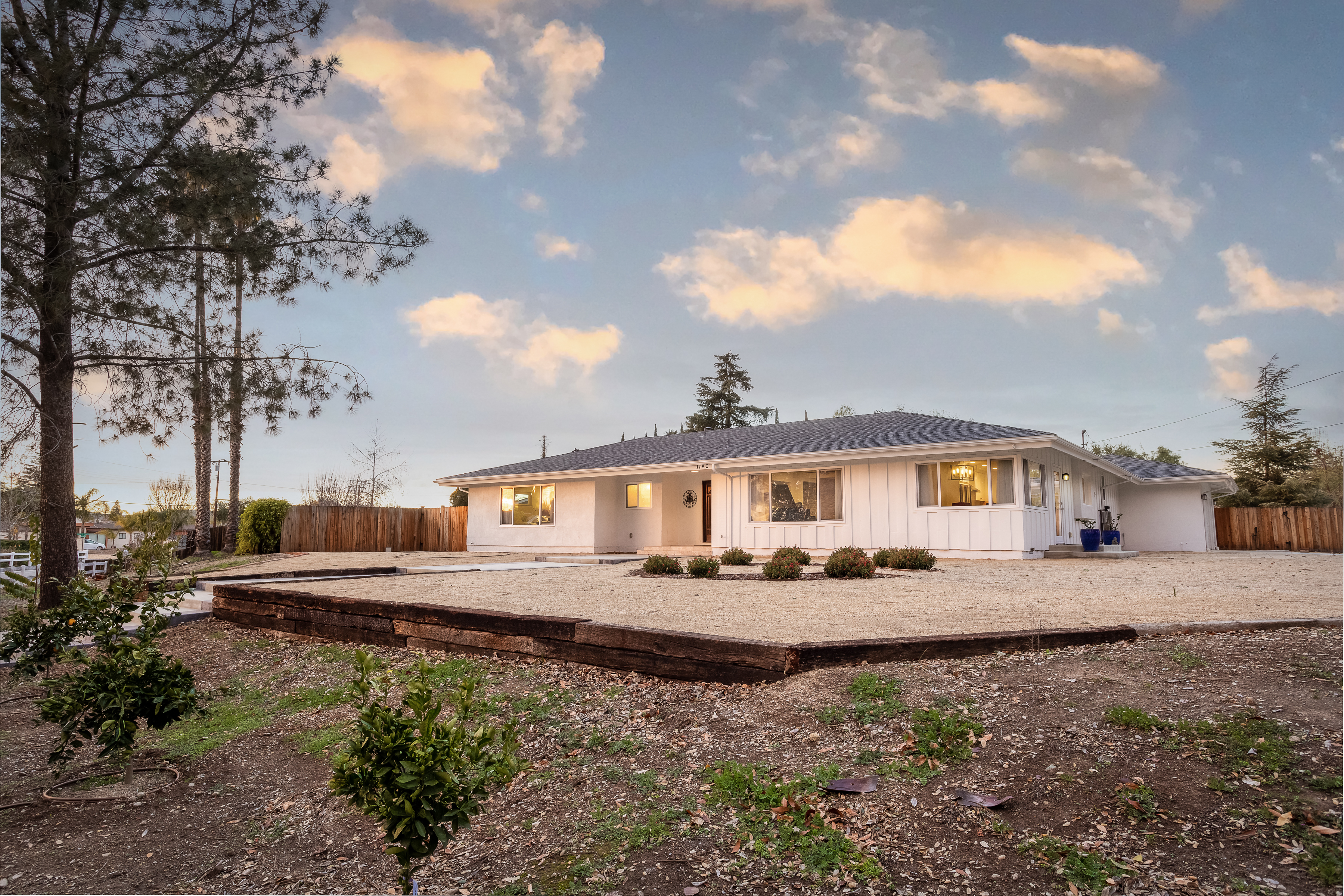
1140 Calle Arroyo-9

Just Sold!

People have equity to start with.  So why get foreclosed on when you can sell and pocket a bunch of cash [Find out what your home is worth here]?  Demographics are another large part of the issue.  Millennials are still forming households and families and therefore trying to buy a home. Baby Boomers continue the trend of aging in place.  Then you have the dramatic rise in interest rates and with more than 70% of homeowners holding sub 4% interest rate mortgages, many of those folks aren’t moving.  Cash investors, looking for a natural hedge against inflation, represent nearly 30% of every transaction.  And then there’s the residual effect of The Great Recession where for 5 years (2008-2012) we built a fraction of the homes we should have; we find ourselves playing catch up in an industry where catch up is literally impossible.  We would have to have five years of 2X as many single-family homes built just to be where we were supposed to be if we had even kept up with normal production in the ensuing years following 2012 – which we haven’t.  Where does this leave us?

Quite simply, spring 2023 is a seller’s market and for the moment, nothing on the horizon save for a possible recession, is going to substantively impact that.

Posted in Economics, Home Buying, Home Selling, Market Conditions, Market Conditions, Real Estate, Seller Advice, Tim Freund | Tagged , , , , , , , , , , , , , , , , | 2 Comments

Southern California Real Estate Prediction 2023

As the year draws to a close I figured it’s time for a year end prediction…  why not? 

Before I begin, let me remind you that all real estate is local therefore this prediction is based on my particular niche along the Ventura/LA County line, though it’s probably safe to say this will probably hold true for a lot of So Cal.  So here goes…

Prices are not going to fall as much as many predicted.  I am rather surprised by this but it’s apparent that inventory is going to remain very tight in 2023.  As long as we remain at these hyper low levels of available homes, prices will have a floor of support.  (Find out your home’s value here) I’m telling my buyers to be patient, that more homes will enter the market, but I am concerned for them that even when they do, it’s going to be competitive.  (Find your dream home) Greater competition for fewer goods means higher prices.  And while I am not saying prices won’t drop from today’s levels, because I do think there’s more to the downside, I am beginning to doubt they will drop as much as I was thinking they would just a couple months ago.

Sales will be anemic.  The problem when there’s low inventory, is that there’s fewer sales.  Unfortunately for many Realtors, lenders, escrow officers, title reps, home warranty, inspectors and appraisers, fewer sales mean fewer dollars to go around.  This is when the 80/20 or even 90/10 rule rears its head.  The best will thrive while the rest scramble for the leftovers.  (Read Tim’s testimonials here) Unfortunately, this also means many people will be forced to leave the various real estate related industries for other careers.  In the near term this wash out is good for those who survive, but when a normal market returns, this will come back to bite with poor and slow service as a result of personnel shortages.

Unemployment will rise.  As I just mentioned, certain industries are going to bear the brunt of any 2023 recession.  In fact, I predict the unemployment figures will be very white collar and not people in the service and hospitality fields.  And because so many people are flush with savings following the pandemic, the ability to maintain a mortgage will stay strong.  While it is true that higher income loss usually means higher debt service obligation, large home equity positions will allow those in duress, to sell .  (Contact Tim Here) or even alternatively rent rather than go into foreclosure. Unemployment usually means a rise in distressed sales, but with rents so high; a chronic housing shortage and locked in ridiculously low interest rates (71% of all mortgages are at 4% or less), we should not anticipate a wave of foreclosures.

Cash is still king.  Cash buyers and investors, including the big boys like Blackstone, are chomping at the bit for a break in prices.  As the inventory remains low and price declines slow, cash buyers will jump back in.  Unlike 2008-2012, this correction in values should not be viewed as a falling knife, rather a normal correction.  As such, the fear factor will be mitigated.

The Federal Reserve will stop raising rates by spring.  For many Fed watchers myself included, it is patently obvious that the Fed has already overshot and any further rate increases going forward are going to exacerbate the recession.  This will become clear I predict by March and the Fed will sit back and watch the impacts of the dramatic rate hikes of 2022.

So, there you have it.  Feel free to comment if you think I’m right or wrong and why.

Posted in County Line, Economics, Home Buying, Home Selling, Market Conditions, Market Conditions, Real Estate, Real Estate Correction, Recession, Thousand Oaks | Tagged , , , , , , , , , , | Leave a comment

All Quiet on the Listing Front (Tales from the Trenches)

As we near year end, I figured it was a pretty good time to share some experiences that should help you to understand and get a flavor of what is happening in the real estate market.  As the title suggests, there are not a preponderance of listings entering the market.   Seasonally this is not uncommon, being the holidays and all.  What is uncommon is just how quiet the market is.

LowInventorySince the Fed has literally caused interest rates to double in the shortest time on record, it’s no surprise that the market is struggling to find it’s footing.  How slow is it?  I have statistics I maintain for my local market dating back to 2008 and today’s pending information does not look good.  For example, in August of 2008 there were 314 homes under contract.  In January 2009 when the market was in an absolute freefall, there were 260.  A year ago, there were 296 but today it’s just 123 [Search for Listings here].  This is anemic.  In fact the lowest December pending sales number I could find going back 14 years was 214.  When there are few homes on the market we call this a seller’s market, but when sales are as low as they are today, it’s a no one’s market.  It’s literally No Man’s Land.  Mortgage lenders are laying off anyone they can.  Appraisers are dead slow.  Escrow, title, home warranty, all dead.  For the vast majority of Realtors (remember it’s an 80/20 business), they not only don’t have any closings, they don’t have any listings nor do they have any buyers.   So what’s that mean for prices?

It’s difficult to generalize this market because we’ve quite literally never seen a market like this.  I’ve been at it going on 33 years, so I know of which I speak.  So many people are locked in to sub 4% rates – over 70% of all mortgages have rates 4% or less.  Applications for a refinanced mortgage are down 86% – that’s because the vast majority are locked into 30 year fixed at crazy low rates.  Obviously, this slows demand for purchases too.  Just ask @CNBC real estate correspondent @dianaolick, she’ll tell you. In response Sellers are dropping their prices and accepting lower offers. How much lower?

First thing you need to understand is that I am working with very few buyers at all and those who I am are almost all cash.  You read that correctly: almost all the buyers buying my listings or that I’m writing offers for, are all cash.  I had one listing just close where the buyer had 50% down, while my other listings have all cash buyers.  Back to prices… On one deal there was a comp across the street; better location by a little but the home wasn’t anywhere near as nice as mine which was recently fully renovated.  The home across the street sold for $1.3M in October.  We listed for $1.25M, well below where we would have in the spring.  We closed at $1.210M in November.  If you’re doing the math, that’s a drop of 6.7% from the very recent comp.  I recently wrote an offer for my young buyers taking financing.  We wrote 10% below ask and settled 7.5% below – and then the seller wouldn’t make repairs and the deal fell apart.  A decision those sellers will certainly regret.  Just this week I wrote an all cash offer on a home originally listed at $1.2M but reduced to $1,145,000.  We wrote at $1,045,000 and they accepted.  That’s 12% below original ask (by the way, do you think just maybe having an experienced agentshutterstock_403669222-resize who knows the numbers and is expert at negotiating is worth hiring?).  To put this in perspective, during the Great Recession when there were a gazillion properties for sale, if someone came in with an offer 10% below ask, we’d call it bottom fishing and it was virtually impossible to get the sides together to make a deal.  It’s worth noting that while I am getting offers accepted well below ask, I also wrote for the same young couple after we fell out of escrow, and that property went multiple and is currently under contract a couple thousand dollars above ask.  We did not go above ask.  “Not in this market,” I told them.  So what can we expect going forward?

As I look at the landscape of the market going forward, I have to believe there is more room to the downside on prices.  Especially if the Fed continues to raise us into a recession.  Admittedly, there is not clear consensus on this amongst my peers.  With inventory so low others will reason, it simply can’t be a buyer’s market.  This would be completely logical if… sales were even at the level of 2008 – but we are not even close to that many sales.  And what does a seller of anything do when there aren’t any buyers for their product?  They put it on sale and that is what I predict will happen in the coming months and into next year.  One last caveat… you might wonder if I am worried about the buyers I represented over the past 12-18 months?  The answer is no.  None have any intention of selling.  They paid more for the home than they might have today, but they are locked in at a generationally low interest rate.  That low rate gives them tremendous flexibility.  Their payments are less than the rent they’d be paying for the same home and they could in a pinch rent it and probably come very close to positive cash flow.

As this is the holiday season and my article is fairly Grinch heavy, let me leave you with 2 final sugar and spice thoughts on this idea that people might be upside down even though they only just bought.  The first is that you only lose money in real estate if you sell for less than you paid.  That may sound stupidly obvious, but the simple answer is, don’t sell.  And the second which is directly correlated is this: you don’t wait to buy real estate, you buy real estate and wait [Find out the value of your home].  There is zero doubt in my mind that in 10 years, people will look back at 3-4% interest rates and ask themselves, why didn’t I buy more?

Posted in County Line, Demographics, Economics, Home Buying, Home Selling, Market Conditions, Market Conditions, Real Estate, Recession, Refinancing, rent, Seller Advice, Thousand Oaks, Tim Freund | Tagged , , , , , , , , , , , , , | Leave a comment

A Choice of Lesser Evils

When it comes to making important and difficult decisions, it often comes down to the lesser of two evils.  Think about it, if you are tight on money, and you need new tires, you have to decide on what you’ll give up to get the new tires or if you can do without the car.  If your kid needs braces and you don’t have the money, it’s bag lunch or your kid’s a snaggletooth.  This is where the Federal Reserve sits right now.

VolkerInflation is running too high at over 8%, so to combat this the Fed has embarked on the most aggressive rate raising path in history; driving us into a housing correction and a recession.  The Fed is doing what many of us would do and look to past experience as a guide on the best way forward but is that the right approach?  In this case they’re following 1970’s and 80’s Paul Volker and radically pushing up interest rates.  Never before have rates doubled in less than a year, let alone half a year.  Unfortunately, this approach has come at the immediate expense of the mortgage business where massive layoffs have commenced in earnest.  Let’s not kid ourselves however, this is no accident.  The Fed sees the exponential increase in housing costs since the pandemic, both purchase and rental, as a core driver of today’s excessive inflation.  But is it?  It may be a contributing factor, but it’s not the whole enchilada by any means.  None the less, The Fed figures if they can slow housing, they slow the economy which reduces demand and takes pressure off prices, reversing inflation.  Home prices are coming down, many in the 8.5-10% range so far (Search for homes here) and this is not a bad thing, per se.  Most recent sellers aren’t selling, had sizable down payment cushions, and locked in amazing interest rates.  In fact, a housing correction was always inevitable, the market is never static.  Lower home prices allow more people to get into the market as affordability improves, that is, provided interest rates are stable.  Herein lies the problem.  The Fed raised rates so quickly, the system is in shock.  This is not a good thing.  Today it was reported that home sales dropped to the lowest level since 2010, the pit of the Great Recession.  I’m sorry, but that’s a problem. The saving grace here is that sellers aren’t selling en masse, keeping supply of available homes tight which is supporting home values. Whether a full blown recession is in the offing or just some navigated soft landing, only time will tell.  (Follow Tim Here).  Of course, this begs the question, will their Paul Volker approach work today?

I’m here to argue it will not.  A housing correction is one thing, crushing housing is something much different.  Moreover, deliberately driving unemployment up is down right, playing with fire.  This is what the Fed appears to be willing to do.  Currently unemployment is around 3.5% and continuing claims for unemployment are around 1.3M.  They’ve implied they want 5% unemployment which means continuing claims around 2M.  They’d rather have 2 million Americans out of work and on subsidies than inflation.  This is a terrible idea and if you ask someone if they would rather have a job than have to pay more at the pump or grocery store, I’m pretty sure they’d say, “I want to work.”

5-web-or-mls-Upmarketmedia_2988Sha-4

2988 Shadow Brook Ln Click for details

At this point, the Fed needs to pause.  And what if the Fed took a more cautious approach?  What if they waited just a bit to see what effect their 3 successive .75% rate increases do to the economy before raising again?  These rate hikes haven’t even shown up in the economy beyond mortgage and real estate.  And since they’ve raised rates .75% 3 times in 3 months and apparently are poised to do so again in November, it only seems prudent they be more measured.  I mean isn’t that what you’d do?  Take action and wait to see if it delivers the desired effect?  The Federal Reserve governors are supposed to be the smartest guys in the room.  They didn’t really think they’d raise rates and then see an immediate drop in inflation to their target level did they? It takes 6-9 months for the higher rates to make their presence known in the economy.  The lack of common sense suggests The Fed is panicking.

federal resereveHere’s the problem as I see it, The Fed was late to reduce the rates and stop their bond buying, holding rates down for too long and now they are trying to make up for lost time.  Okay, so mistakes happen, but driving us into a recession in my opinion, is a bad idea anytime.  But do they have another choice?  As with Maggie and her kid’s braces or Bill with his tires, of course they have a choice.  In The Fed’s case, the alternate choice is to let inflation run hot.  “That’s a terrible idea,” some will scream.  But is it really?  To answer this, you need to ask yourself, does demand alone cause inflation?  I mean, after all, that’s all the Fed is doing by raising rates, clamping down on demand.  By definition, inflation is too many dollars chasing too few goods.  Prices go up in response to scarcity.  As demand wanes, supply in theory goes up, but the supply doesn’t go up any more than the relative level of decline in demand.  Imagine taking a weight off one side of the scale, the other side goes up by the relative change. The Fed itself has no influence on the larger issues affecting supply like supply chain disruption coming from the pandemic or the rise in energy costs as a result of the war in Europe.  Even if demand went to near zero, the supply issues would continue.  It’s my opinion that pushing us into recession will not be enough to slow inflation to the 2% rate that the Fed states is their target.

6

30642 Janlor Dr Click for detail

On the contrary, I’d suggest they cannot get there until such time as the war with Russia is over and China stops their zero Covid policy and the supply chain heals.  In other words, they don’t influence energy costs nor product availability and frankly, as energy goes, so goes inflation.  Therefore, pushing us into recession while inflation is still hot, will I believe, lead to the worst possible scenario.  Inflation + recession = stagflation.  Stagflation is combining a bad economy with inflation and almost impossible to remedy without substantial pain.  This is what confronted Volker in the 70’s and 80’s when we were in a recession while facing high inflation.  Inflation, I will add, that was largely caused by an energy crisis, sound familiar?  What’s different now is that our economy is strong and unemployment low.  As long as we stay out of recession, we can avoid stagflation.  By the way, owning a home is arguably the best place to be should stagflation really come to pass.  A stable payment, a roof over your head and paying down a mortgage.   (Find out what your homes worth).

World-Bank-warns-of-70s-style-stagflation1If you accept my premise, the question we and The Fed must ask is, of the two evils we are left with: inflation or recession, which is the lesser evil?  I’d argue that recession is never the right answer and that until the supply side issues get resolved, it’s better to live with some inflation.

Posted in County Line, Demographics, Economics, Home Buying, Market Conditions, Market Conditions, Real Estate, Real Estate Correction, Recession, Seller Advice, Thousand Oaks | Tagged , , | Leave a comment

Abbott And Costello Meet The Killer (Jerome Powell)

JP Draft 4If you’re an old movie buff like me, you love Abbott and Costello.  These guys always had movie titles where they “Meet” someone, ie” Abbott and Costello meet The Wolfman or Abbott and Costello Meet The Mummy.  So why have a title Abbott and Costello Meet The Killer (Jerome Powell)?  To understand this inside joke, you have to listen to  Abbott and Costello’s marvelous routine “Who’s on first?”   The gag has the two comics naming ballplayers that all happen to have interrogative pronouns for names.  Who’s on first, What’s on second, I Don’t Know’s on third etc.  So when Lou Costello asks “who’s on third?”  Bud Powell answers, Who’s on first, I Don’t Know is on third.  Lou: “I don’t know is on third?”  Bud: “Yes.” Lou: What’s the guy’s name on third?”  Bud: “I don’t know’s on third.  What’s on second.” And so it goes until Lou eventually says “ I don’t know,” they simultaneously point and say “Third base.”  Still makes me smile just writing it.  The reason I chose this story to frame the current Fed dilemma, is because no matter what the Fed does, it’s inflationary

abbot-and-costelloHindsight is 20/20, so of course we can see that The Fed should have stopped their QE bond buying long before February 2022 and they should have started raising rates mid to late 2021.  Heaven knows it was patently obvious to anyone in the housing trade that inflation was running amuck.  That said, raising rates sooner would have helped for sure, but it would not have substantively changed our situation.  Why?  Two words: War and Pandemic.  (Ask Tim A Question) As much as people want to point fingers at the Fed, the reality is inflation was coming with a war in the form of energy inflation.  You can’t have one of the leading producers of petroleum and natural gas, suddenly stop selling without driving the price of those energies up.  In turn, higher fuel cost adds cost to everything because everything requires manufacturing or transportation and that requires energy.  Adding costs to produce or deliver something is inflationary.  If you recall, it was the Oil Embargo of 1973 that spurred the incredible inflation of the 1970’s and early 1980’s.  Equally inflationary, the Pandemic shut down the supply chain both here and abroad, which created scarcity.  Scarcity raises prices and that’s inflationary.  To avert economic catastrophe resulting from the pandemic, Congress (under both administrations I might add) authorized huge fiscal stimulus and so the Treasury had to print a lot of money.  This flood of dollars for scarce goods is – you got it, inflationary.  None of these situations are controlled or even influenced by monetary policy.  This brings us to Abbott and Costello when throughout their routine eventually Costello says, “I don’t know” and the duo respond in unison, “Third Base.”  So now when you look at any action the Fed takes in order to curtail, contain or reverse inflation, like the gag, substitute inflationary for “Third base”. (Search for homes here)

Jerome PowellFor example, The Fed is raising interest rates at an unprecedented pace without waiting for the effects to manifest.  But this is designed to slow the economy, right?  Yes but… higher US rates make the US Dollar stronger.  A stronger dollar means Europe, England and Asia have to pay more of their weakened currency to buy American goods and services.  This is globally inflationary.  Those nation states in turn raise the price of their goods and you got it, inflationary.  The Fed bought mortgage-backed securities, US and corporate debt known as Quantitative Easing or QE, as a means to get us out of The Great Recession and again when the Pandemic forced us to shut down the economy.  So how does the Fed buy debt and where do those dollars come from?  They have the Treasury print more money which is… inflationary.  Now they have increased their balance sheet to a whopping $9 Trillion.  They need to reduce that balance sheet and sell off that debt. 

rentsThis is known as Quantitative Tightening, or QT, and they began selling debt in early September.  This is a good thing though, right?  It puts pressure on rates as they are not only not a buyer (decreasing demand) but they are actually a net seller (increasing supply).  This means more bonds in the market, which must be discounted to sell to a reduced number of buyers and this raises rates which slows the economy.  This is another way to attack the demand side of inflation by effectively taking those excess pandemic dollars out of the economy.  By removing dollars from the economy, the Fed is shrinking the Money Supply.  Remember, inflation is too many dollars chasing too few goods.  So, the Fed sells bonds in exchange for dollars and those dollars come out of circulation and are given back to the Treasury.  Great news, right?  Yes except… when you reduce the supply of something, in this case dollars, you make the value of the existing dollars go up, making the dollar even stronger against foreign currency which is, you guessed it, inflationary. Damned if you do, damned if you don’t.  Anything the Fed tries will be inflationary so long as there’s a war in Europe and a supply chain issue.  Crushing US demand will slow the economy and almost certainly drive us into a recession, but will it stop inflation?  The answer is it will slow inflation and maybe reduce it some but no it won’t stop inflation.  What will stop inflation is an increase in supply.  You can’t stop inflation by only addressing the domestic demand side.  That just punishes working Americans and American business. 

So, like The Abbott and Costello routine, if you ask me: “Who’s on first?” I’ll say, “Yes”.  If you ask, What’s the guy’s name on first?  I’ll say, “What is on second, Who is on first.”  when you say, “I don’t know!” together we say, “He’s on third.”  So when Jerome Powell says, “Let’s raise rates or let’s shrink the money supply,” we say in unison: “Inflationary.”


Posted in Economics, Home Buying, Home Selling, Market Conditions, Real Estate, Real Estate Correction | Tagged , , , , , , , , , , , , , , , , | Leave a comment

To Get the Highest Price, Start with a Good CLEANING

You’ve made the decision it’s time to sell your home.  You’ve hired a Realtor to advance this cause and now you have to prepare your home for sale (Contact Tim Here).  There are several things you can do to get more money that don’t cost a lot of money, but none are more important than cleaning.

This may sound ridiculously obvious, so let me elaborate.  When I mean clean, I mean really clean.  To a buyer, clean tells them the seller has taken pride in their home and if they’ve done a great job of keeping it clean, perhaps they’ve also done a great job with the maintenance of the home. 

Staircase

For sale in Thousand Oaks!

Clean also means they can move right in.  Upgrades, no upgrades, if it’s clean, they can move in.  If the home isn’t clean no one is moving in; not until it’s been cleaned.  This takes time and time is money; your money, money that you leave on the table because the home wasn’t clean enough.  So here are some tips about cleaning.

Take a granite counter for example.   If you have expensive granite counters, don’t ignore them.  They should never be sticky or gritty.  If you have granite counters, wipe them down with a clean sponge or cloth and then dry them.  Then use a product like Granite Gold to really polish them up.  A clean granite counter should feel smooth and polished to the touch and when you look at it in the light from a low angle, you shouldn’t see any wipe marks.  Make sure you feel under the bullnose, too.  This is where sticky likes to hide and your buyer will notice it.  If you have tile, attack the grout.  For some kitchens you will need to bring in outside help in the form of steam cleaning.  This is a process much like carpet cleaning, where a hand held steam cleaner injects hot cleaning solution and then extracts the dirt and soap out of the grout.  This will make your gray and dark grout, sparkle like new.  It’s really quite remarkable.  The hardest part of this process is finding the company that does it.  It works on the nastiest kitchen grease or shower mold.  This also works wonders on your tile floors where repeated mopping and kitchen grease has embedded grime and darkness into your grout.  Steaming will make it sparkle!  And don’t forget to re-caulk afterwards.  The caulk that came with your home 15 years ago has long since dried and separated.  In a shower it turns pink or has irremovable black spots.  Get a razor blade and a tube of white latex caulk.  Cut out the old and squeeze a nice even bead around your sink and toilet base, wipe away with a damp towel.  In the shower use clear silicone.  Not handy enough?  No problem!  A handyman can knock it out in no time for cheap and man will your bathroom thank you and so will your buyers.

Speaking of grease, take a look at your stove vent hood.  Odds are you’ve not cleaned the underneath nor the wire filters recently, most of us don’t.  But every time you turn on your hood, air, dust and grease are passing through those filters.  Put them in the dishwasher along with you metal cooktop grates and wash them.  If they don’t come clean, consider buying new ones, they’re not expensive and it makes a world of difference for both sight and smell [Contact Tim here].  If you have the old style, non-sealed burners, another part you might consider replacing is the tin pans under the grill; a clean piece of foil is lame, don’t do it.  Take that a step further, look at your oven racks.  If you’ve used the self-cleaning feature with the racks in, the stainless steel shine will have come off and they’ll be difficult to slide and may even look a little dusty or rusty.  If this is the case, buy new ones.  They’re not super expensive and can make your oven look a lot newer inside.  I’m not making this up, buyers look at this stuff and the nicer every detail looks, the more move-in ready your home appears.  That has real value to a potential buyer and they will pay extra for it.

One area that’s missed a lot is the outlets and switch plates… We had a seller a few years ago who took the upmost pride in keeping her house clean, and we mean CLEAN.  One of her tricks is Clorox wipes.  She uses these on her switches and outlets.  If you take a moment and look at the tops your switch plate covers and the switches themselves, you will probably see a small line of dark dust.  You should clean this.  Try a dry brush first and see if that does it and then go with the wet clean, it’s a little easier if you get the first layer off before using the wipes.  Here’s the thing, often when you turn the switch on to clean, you don’t notice the dust.  That’s because it’s usually in the off position  for most of the day’s hours so the top of the actual switch gets dusty but when you flip the switch on, you can’t see it anymore.  I like to say that the way you can tell a really clean home is by the switches and plate covers.

Every Realtor will tell you to have your windows and screens done, but don’t forget the tracks.  This is especially true for lower windows that sometimes get hit by outside sprinklers.  The dust in the tracks becomes like a grimy, gritty sludge and if you have a dog, it will often have dog hair in there too.  Totally gross and you may have never even noticed it!  This is some tedious work, but do it and it will mean more money in your pocket.

On the topic of dust, be sure you dust your light fixtures, ceiling fan blades, tops of your door jams and behind things like plants, TV’s, pictures and inside bathroom drawers and medicine cabinets.  Hair in the brush drawer is not saying “Buy me” to any prospective buyer and neither is a rusty old medicine cabinet.  You can easily replace a medicine cabinet.  “Whoa” you say, “Really?”  Yes really.  If you think for one minute that not doing this won’t enhance your home, then you really need to do it because if you don’t think it matters, you’ve never done it.  It matters!  Remember, the thinking is if you’ve got a super clean home then you probably have maintained the integral components of the home too, like A/C and roof.  When a home looks neglected on the cleaning, it often portends to other neglect that will cost the future homeowner big money down the road [See what your home is worth here].  Remove this potential objection and you’ll sell faster and net more money.

Shower doors and enclosures are often a problem.  This can be a little tricky if you have really hard water.  Calcium deposits can be impossible to clean and can even etch your enclosure.  This means you may need to buy a new glass enclosure.  This can cost $1,000 or more, but we’re talking about relatively small money in the big picture and if a buyer looks at your nasty shower door hinges, their immediate reaction is going to be “I need to remodel the bath.”  Cha-Ching!  They’ll want a big remodel discount off your price.  That’s not to say that if your bath needs to be remodeled a new shower door or enclosure is going to save the day, but if your bath is in otherwise decent shape and just the corners are gross and the glass has impossible to clean calcium, spend the money and get new glass.  $1,000 out of pocket to potentially make thousands is money well spent.

Carpet cleaning, carpet stretching, carpet patching.  If you can’t afford new carpet or just won’t do it and assuming it’s not entirely hideous (in which case replace it no matter what!) at least have it professionally cleaned and if it’s buckling, then have it stretched.  By the way, if there’s a stain, get a carpet guy to cut a piece from somewhere and patch it in.  Many times you can “steal” from one room or closet and use that to patch with, while buying a new bit to put in its place.  You can always find a little remnant for an out of the way closet that no one will notice if the carpet is just a little different. But an ink, bleach or pet stain in an obvious place is going to cost you.  So if you won’t replace, at least patch.

Pets.  Oh how we love our pets, but pets smell.  Make sure you bathe your pets and then go buy them new pet beds, toys and blankets.  BluzySo often I walk into a home and it’s Dog City.  The house is clean but the dog bed reeks of stinky dog and it makes the whole house smell.  Buy them a nice new cedar filled bed and you’ll thank me for it.  Heck, so will your dog.  Same for cat box.  Clean your cat box daily and change the litter often.  Even if you’ve got the battery powered, cover kind of box and clumpy litter that lasts a generation without changing, change it anyway!  By the way, don’t forget about the land mines in the back yard.  Don’t wait four days and do a bulk yard pick up or wait for the gardener to do it.  Your buyer is going to walk into your back yard and if it’s gross it reflects negatively on your home and you.  Worse, what if they step in it and track dog poo onto your carpets.  Yikes!  And don’t forget to sweep regularly especially along the wall and in corners where pet hair gathers.

Finally about smell, don’t get plug ins and be very careful about infusers.  You don’t want to over power the room.  The buyer will immediately be turned off and assume you are hiding cigarette smoking or pet odors.  Instead pick up some pleasant smelling potpourri. Subtlety is key when battling odor.

I could go on and on about cleaning tricks and tips, but I think you get the idea.  Cleaning is the least expensive and best thing you can do when preparing your home for sale.  Take the time and do it right and be thorough.  If need be hire someone to do it for you.  You don’t want a little cleaning to stand between you and the maximum sale proceeds you’re entitled to, but failure to clean properly will do just that.

Posted in Economics, Home Buying, Home Selling, Market Conditions, Market Conditions, Remodeling, Seller Advice, Tim Freund | Tagged , , , , , , , , , , , , , , | Leave a comment

Housing, Rising Rents, and the Decline of the Middle Class

The end of every month is, for a data hound like me, my favorite part of the month.  Case Shiller home sale report, the National Association of Home Builders data around home-starts and permits pulled and the National Association of Realtors data on pending sales comes out.  These are the numbers that indicate where the housing market is and possibly where it’s going.  Important rental data can be found on sites like Zumper.com, a blog that posts what’s happening in rental markets nationwide.  The picture the combined data demonstrates is one of high cost to buy and high cost to rent.  Rising rents in particular are very concerning because high rents disproportionately affect lower income families.

Much has been made of rising interest rates and the slowdown of the housing market.  While it is true that the purchase market is slowing under the weight of the largest rate increases in history, soaring prices and the ever-increasing lack of affordability, housing prices are still holding up.  Sure, there are more price reductions and there was a decline month over month, but this can be attributed to the seasonality of late summer, back to school etc. and the fact that homes with negatives, ie: condition or location, are having to reduce to find a buyer.  This is how it’s supposed to be. These are signs of normal market behavior [Find us on social media here].  The reason prices aren’t dropping equally across the board is because there are still too many buyers for the inventory available.  If you question this, just take a trip to the mall and make note of how many babies, strollers, and pregnant women you see.  Millennials are starting families en masse and they are looking for homes to raise them in.  But inventory is not going up.  On the contrary, it’s peaked and is declining.  Regarding our local market of the Conejo Valley, inventory is down 10% since late July.  It’s pretty hard to have prices decline substantially when there are still more buyers than homes.

Wooden blocks with the word Rent, house and up arrow. The concept of the high cost of rent for an apartment or home. Interest rates are rising. Real estate market. Increased demand for rental propertyBack to rents; according to Zumper, rent on a 2 bedroom apartment in New York City, the most expensive market in the country, jumped year over year by an unconscionable 46.7%!  But they aren’t alone.  Nashville is up 26.7%; Boise 11%; Glendale, AZ 24.1%; Greensboro, NC 31.8%; Tulsa 23.3% – I could go on… it’s mind bending.  I just listed a 500 SF 2 bed/1 bath flat in the heart of the San Fernando Valley for $2,050/mo and have had no fewer than 60 inquiries.  This is not good.

The problem with high rent is that it keeps people from getting ahead, increases poverty, decreases disposable income and reduces the ability to save and stay out of debt.  In Los Angeles, rent takes on average more than 50% of people’s weekly paycheck.  We are becoming a nation of renters.  Where once the road to the middle class and self-sufficiency meant a driveway and a 3 bed/2 bath home.  Today, the road to the middle class is quickly become a fairy tale.  For without home ownership as a vehicle to build personal wealth, most Americans won’t have a chance.  Home ownership is and always has been, the clearest path to the middle class.

How did we get here?  You don’t have to look any farther back than the Great Recession to find the bulk of your answers.  We essentially stopped building new housing from 2008-2013.  As a result, we are way behind where we should be to house our people.  And if that weren’t troubling enough, consider what happened in 2012: Wall Street went into the single-family home landlord game.  When the market began showing signs that it had bounced off the bottom, lenders like Bank of America, inexplicably unloaded all their bad debt and foreclosed homes to hedge funds and REITS.  What’s even more galling is hedge funds like Blackstone and Invitation Homes as recently as 2017 received $1B in financing help to purchase an additional 48,000 single family homes, from none other than Fannie Mae, the government owned entity created specifically to help individuals achieve home ownership [See what your home is worth here].  Private equity firms like Blackstone, KKR, Apollo, Carlyle and REITS like Invitation Homes and American

Staircase

For sale in Thousand Oaks!

Homes for Rent right here in Agoura Hills, now own more than 300,000 single family homes.  And while that is only .02% of the roughly 94 million single family homes, they also own a quarter million manufactured homes and over 1 million apartments.   But the numbers are even more disturbing because their ownership is not evenly spread out and instead concentrated in certain urban/suburban marketplaces.  According to Americans for Financial Reform, private equity firms own 1 in 9 single family homes in Charlotte, 1 in 10 in Tampa, 1 in 12 in Atlanta.  They also disproportionately target black owned neighborhoods where in 2021, 1 in 3 homes purchased in predominantly black zip codes went to institutional investors.  rentsSo defensive was Blackstone that in March of 2022, they posted a “Myth and Fact” page on their website disputing that they have a disproportionate influence and control over residential rents. With this kind of ownership concentration, is it any wonder buyers can’t find a home to buy?  Private equity has been on a buying spree and are even partnering with home builders and buying entire subdivisions for rentals.  That’s a whole ton of inventory that’s not for sale and a whole lot of rental property under the control of a very few.  Think they might be able to raise rents at a whim without difficulty?  You bet.  Just look at the graph above at how much they’ve raised rents since Q4 2020.  What’s even more crazy, is that all those private equity owned homes are occupied!  They aren’t just vacant.

What’s it all mean?  To my thinking it means we need to build more homes and do so fast.  Call it national security.  Call it national responsibility.  Call it what you will, but understand, without the ability to buy and hold real estate, the wealth gap in America is going to grow exponentially and rents are only going to continue to skyrocket.  It’s been said, that the role of government in a capitalistic society, is to control capitalism.  Capitalism by definition is win/profit at all costs. Profit without regard for society.  Don’t believe me?  Check your history books [Contact Tim here].  It was because of this that in the early 20th century, the Federal Government began clamping down on monopolies.

What to do?  Besides building, one solution to this issue would be to compel corporate home ownership to sell.  One way to do this would be to impose a tax on corporate home ownership linked to the number of homes one corporation can own.  Moreover, that tax would need to be progressive getting higher and higher as the number of units owned passes various thresholds.  Without the progressive tax element, corporations will just pass the tax on to – you guessed it – renters.  Think of it like a salary cap on professional sports teams: you can go over the cap but it’s going to cost you, big time.  None of this is in lock step with the American dream of home ownership and the national wealth that is created through that home ownership.  Neither is it consistent with the idea that success should be rewarded when someone like me proposes sweeping disincentive and crushing tax policy.  But something must be done.  We cannot dream of a land where the streets are paved in gold when, in fact, they are paved with rent checks.

Posted in Demographics, Economics, Home Buying, Market Conditions, Market Conditions, Real Estate, Real Estate Correction, Recession, rent, Rental Advice, Tax Reform, Thousand Oaks | Tagged , , , , , , , , , , , , , , | Leave a comment